How do dessert food trucks work? Each one is a compact kitchen on wheels that preps at a base kitchen, sells at scheduled spots and events, and earns through events and catering, under licenses that follow its route.
Picture a truck at a summer festival. Customers see a service window and a menu, but most of the work happened before the window opened. The rest of this guide explains that hidden side, and it complements the wider dessert food truck minneapolis overview for the Twin Cities.
What a dessert food truck is
A dessert food truck is a mobile food vendor whose menu is built around sweets. Vendor guidance on dessert concepts lists cupcakes, soft serve, churros and rolled ice cream as typical formats. Each format shapes the equipment, the staffing and the pace of the line.

Crew size is small. A profile of a Martha’s Vineyard truck in Cook the Vineyard describes a three-person operation: two cooks inside the truck and one person taking orders, with one or two prep staff working in the kitchen. That example is a savory truck in Massachusetts, but the division of labor is a useful picture of how little space and staff a mobile kitchen runs on.
Equipment depends on the menu. The same profile lists two large refrigerators, a flat-top grill, a fryer and a sink on the truck it follows. A dessert truck will carry different gear, but the principle holds: everything has to fit inside one vehicle.
- Fryer menus: Churro-style menus bring fryer ventilation, oil management and fire-code compliance requirements, according to the vendor guidance.
- Frozen menus: Soft serve and rolled ice cream depend on freezer capacity and reliable power. Rolled ice cream moves more slowly than soft serve, so managing the line is a bigger operational challenge.
- Baked menus: Cupcake trucks are described as a practical option for operators with bakery experience.
Common misunderstandings at a glance
Several assumptions about trucks do not survive a look at how they operate. The table sorts the most common ones.
| Common assumption | What the evidence shows | Planning use |
|---|---|---|
| The truck cooks everything on board | Many trucks use an off-site kitchen, and prep is done in a commercial kitchen, then packed and refrigerated on the truck | Treat the truck as the finishing and serving station, not the whole kitchen |
| A truck is open on a shop’s fixed hours | The profiled truck runs Thursday through Sunday nights in summer and weekends well into fall, plus private events | Check a vendor’s current schedule before heading out |
| Walk-up sales are the whole business | The same truck shows up at private parties, weddings and fundraisers, and cupcake trucks work best paired with catering, weddings and corporate orders | Expect a truck to be booked for events as well as seen on the street |
| Any dessert sells all year | Soft serve sales can drop in colder months unless the menu expands beyond frozen desserts | In Minnesota, expect menus and schedules to shift with the seasons |
The first and third rows come from the Cook the Vineyard profile, and the cupcake and soft serve points come from vendor guidance on dessert trucks.
The commissary kitchen and the daily routine
A commissary kitchen is a commercial kitchen that a truck uses as its base for prep and storage. Trucks use one because the vehicle is too small to hold everything. The Martha’s Vineyard owner preps in the commercial kitchen of her diner, then loads the food onto the truck. The profile notes that many trucks get by with less equipment on board by using an off-site kitchen.
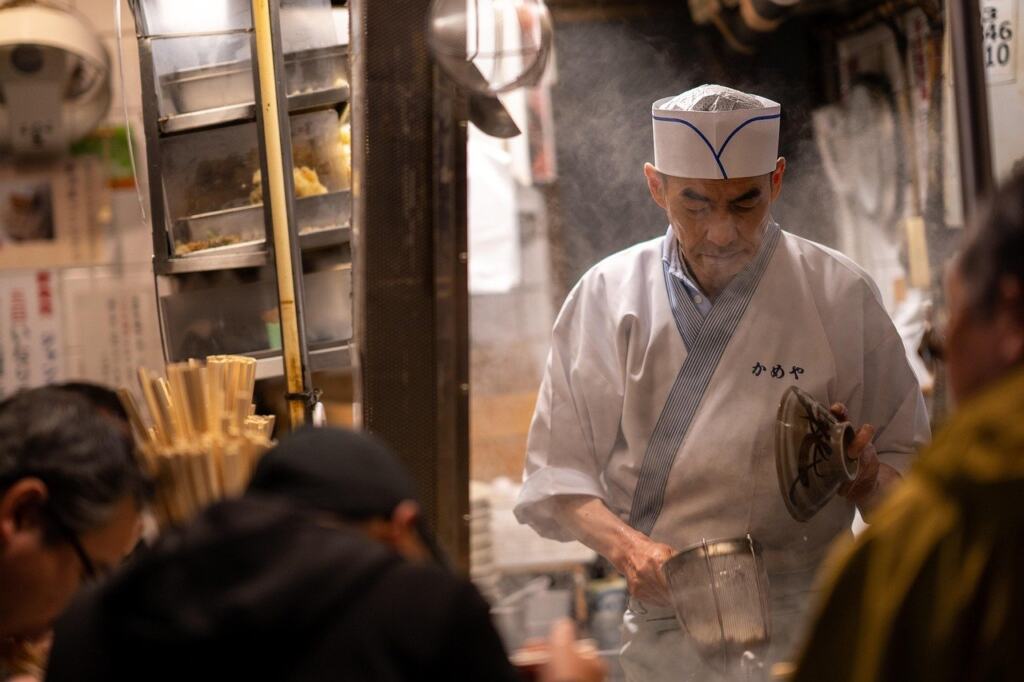
The base kitchen also supports service. The same operator typically replenishes supplies throughout the night, so the commissary matters during the shift as well as before it. Vendor guidance advises confirming commissary, fryer ventilation, freezer and power requirements early, which is a sensible order of operations because those decisions determine what a menu can include.
Whether a particular Twin Cities truck must operate from a commissary is a question for the health and licensing authorities that regulate it. A customer never needs to settle that. A vendor choosing a menu should settle it first.
What a working day involves
The service window is the shortest part of the day. The profiled operator says setup takes roughly two and a half hours, with cleanup taking about as long. Add prep at the base kitchen and restocking during service, and the hours a customer sees understate the hours worked.
This shapes what a visit looks like. A truck that has to stop, restock and clean down is not a shop that can stay open indefinitely. A line moves at the speed of the menu, and rolled ice cream will move slower than soft serve.
Licenses and inspections
A truck’s paperwork follows where it operates. The Martha’s Vineyard profile says a truck needs a food peddler’s license for whatever town it works in. That is a Massachusetts example and not a Minnesota rule, but it explains why a mobile food vendor license is tied to a route and not to a single address.
For the Twin Cities, treat the city licensing offices in Minneapolis and St. Paul and the Minnesota health authorities as the places to confirm current license and inspection requirements. Equipment is part of the picture. A fryer adds ventilation, oil management and fire-code compliance requirements, so a menu choice can change what a truck has to satisfy.
For a customer, the practical takeaway is simple. A truck that serves at several festivals and venues is managing several sets of local requirements, which is one reason schedules are planned in advance. For a current picture of who is serving where, see where to find dessert food trucks in Minneapolis.
How dessert food trucks make money
Dessert trucks earn through several channels, and the mix depends on the menu. The evidence points to four main ones.
- Private events: The profiled truck often shows up at private parties, weddings and fundraisers, which makes bookings a steady complement to its regular schedule.
- Catering and corporate orders: Cupcake trucks work best when paired with catering, weddings and corporate orders. Questions such as do you tip food truck catering come up because catering is a core revenue line.
- Festivals and community events: Soft serve trucks work well for private catering, school events and community festivals, so a street food festival is a natural fit for a menu that sells quickly.
- Regular service days: A set weekly schedule, such as the Thursday through Sunday pattern in the profile, gives regular customers a reason to look for the truck.
What shapes the margin
Menu design matters as much as venue. Churro menus have low food cost on flour, sugar, cinnamon and dipping sauces, with strong potential for add-ons such as sauces. A fryer-based menu also carries the ventilation and fire-code requirements covered earlier, so low ingredient cost does not mean low operating demands.
Season matters too. Soft serve sales can drop in colder months unless the menu expands beyond frozen desserts, which is a real consideration for any frozen-dessert truck working in a Minnesota winter. Vendors also suggest testing a concept at pop-ups, farmers markets or shared events first, which shows how central events are to the model.
Dessert truck versus bakery
A brick-and-mortar bakery is a fixed shop, and a dessert truck is a mobile one that depends on a prep base. The skills overlap, which is why cupcake trucks suit operators with bakery experience. The operating model is what differs.
- Location: A bakery sells at one address. A truck sells wherever its schedule and events take it, so its licenses follow its route.
- Kitchen: A bakery bakes where it sells. Many trucks prep off-site and finish and serve on board, which makes the commissary a core part of the business.
- Selling pattern: A truck leans on events, catering and scheduled stops. Cupcake trucks in particular do best alongside weddings, corporate orders and catering.
- Daily overhead: A truck carries setup and cleanup time every day it operates, roughly two and a half hours each in the profiled example.
Choose a bakery when you want a fixed address you can visit at any time. Choose a truck when you want a dessert at an event, or when you are planning catering for a gathering and want the service window on site.
Frequently asked questions
| Question | Answer |
|---|---|
| Do dessert trucks cook everything inside the truck? | Not always. Many trucks use an off-site kitchen for prep and carry the food on board, refrigerated, for service. |
| Do trucks only sell at festivals? | No. Festivals are one channel. Trucks also run regular schedules and take bookings for private parties, weddings, fundraisers and corporate orders. |
| Will a soft serve truck be out in cold weather? | Sales can drop in colder months unless the menu expands beyond frozen desserts, so schedules and menus may change by season. |
| Does a truck need a license in every city it visits? | In the Martha’s Vineyard example, a food peddler’s license was needed for each town. For Twin Cities requirements, confirm with the relevant city licensing office and health authority. |