| Risk or effect | What the public-health statements say | Planning use |
|---|---|---|
| Raw flour in dough | Most flour is a raw food that has not been treated to kill bacteria, and milling grain into flour does not kill them. | Treat flour as an ingredient that needs cooking, not as a ready-to-eat powder. |
| Raw eggs in dough | Raw eggs used to make dough or batter can contain salmonella. | Eggs add a separate route to illness, so removing one raw ingredient does not clear the dough. |
| Illness severity | Complications of this type of E. coli can include bloody diarrhea, prolonged hospitalization and kidney failure. | A small taste is not a harmless test, because serious outcomes are possible. |
| Cooking and baking | Cooking and baking kill bacteria in flour and in raw eggs. | The risk belongs to unbaked dough. Properly baked and handled cookies are the safe form. |
| Tasting and licking | The FDA advises against eating or tasting raw flour, dough or batter. | The advice covers spoon licks and batter tastes, not just bowls of dough. |
The statements above come from the FDA’s consumer update on flour as a raw food and from WTNH’s report of the CDC’s raw dough warning.
Why can’t you eat raw cookie dough? Raw flour can carry E. coli and raw eggs can carry salmonella, and neither germ is killed until the dough is cooked or baked.
For the wider picture of ready-to-eat options, see the guide to edible cookie dough. This page stays on the cause: where the germs come from and what illness looks like.
Can you get sick from eating cookie dough?
Yes. Raw cookie dough can make people ill, because both its flour and its eggs can carry germs that cause foodborne illness. The FDA and the CDC have investigated several outbreaks of foodborne illness involving raw flour or products that contain flour, and Salmonella or E. coli were the causes.
Illness from raw dough is not only a theoretical concern. According to WISN’s report of the CDC warning, an outbreak of E. coli infections linked to raw flour in 2016 made 63 people sick. Medical Daily reported that 38 people had been sickened since December 2015 in a flour-related E. coli outbreak, that some were hospitalized and that one went into kidney failure.
How serious the illness can get
The CDC advice relayed by WTNH says complications of this type of E. coli can include bloody diarrhea, a need for prolonged hospitalization and kidney failure. Those are the outcomes that separate a raw dough taste from an ordinary stomach upset. They also explain why the advice is to avoid the habit altogether.
When to get medical advice
Bloody diarrhea and severe illness are the complications named in the CDC-attributed reporting, so either one after eating raw dough or batter is a reason to contact a doctor. Mentioning the raw dough helps a clinician understand the likely cause.
Is raw cookie dough dangerous?
Raw cookie dough is a recognised food-safety hazard, though not every bowl is contaminated. Reporting on the 2016 outbreak noted that contamination of raw flour is rare, but it can happen. Nobody can see or smell it, so the sensible rule is the one the FDA gives: do not eat or taste raw flour, dough or batter.
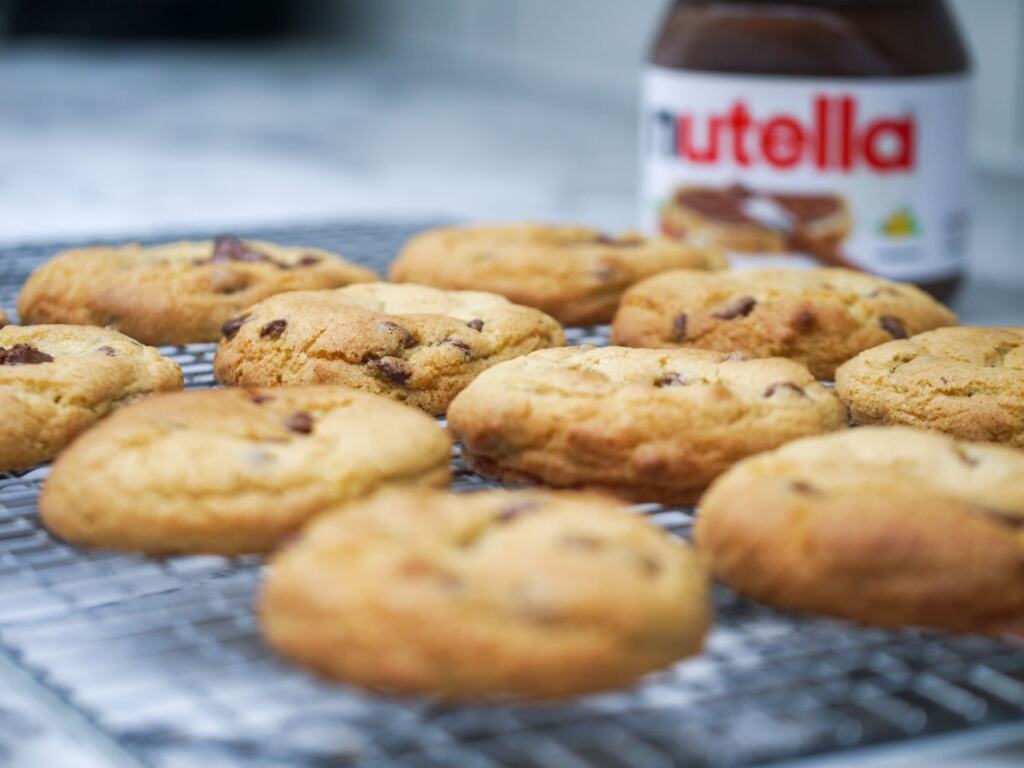
The FDA says both it and the CDC have reminded people for years not to eat raw dough. The CDC position, as quoted by WISN, applies whether the dough was made from recalled flour or any other flour.
Practical choices that follow
- Skip the taste test. The FDA warning covers tasting, so a spoon lick of batter carries the same concern as a bowlful.
- Keep unbaked dough away from children’s mouths. The FDA notes that even children who do not eat the dough may put their hands in their mouth after handling it.
- Bake dough fully before eating it. Cooking and baking kill bacteria in flour and in raw eggs.
- Look for a safe method rather than a shortcut. Readers who want dough to eat unbaked can read is edible cookie dough safe to eat and how to heat treat flour for edible cookie dough for ways to deal with the flour and eggs first.
Why raw flour carries risk
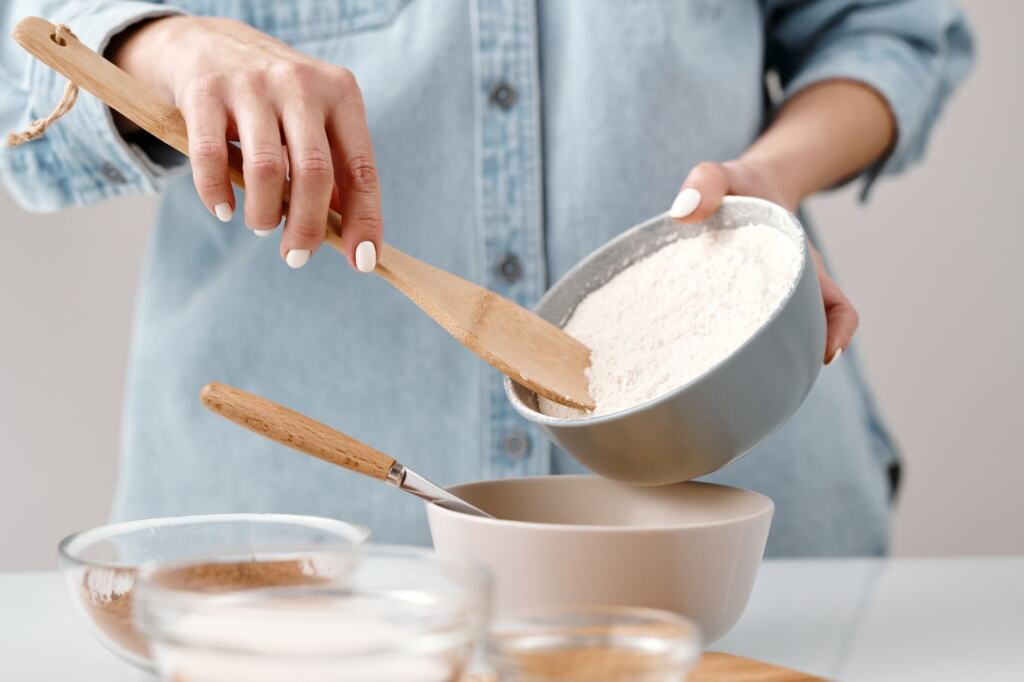
Flour looks like a finished pantry staple, which is exactly why it surprises people. The FDA explains that most flour is a raw food that has not been treated to kill bacteria, and that processing raw grains into flour does not kill bacteria either. Milling changes the texture of grain, not its microbial safety.
The germs can arrive early. The FDA says grain can be exposed to bacteria in the field or when the flour is being made, and the CDC message relayed by WISN says harmful germs can contaminate grain while it is still in the field or at other steps in production. Wheat grows outdoors, so it is open to whatever is in its environment before it reaches a mill.
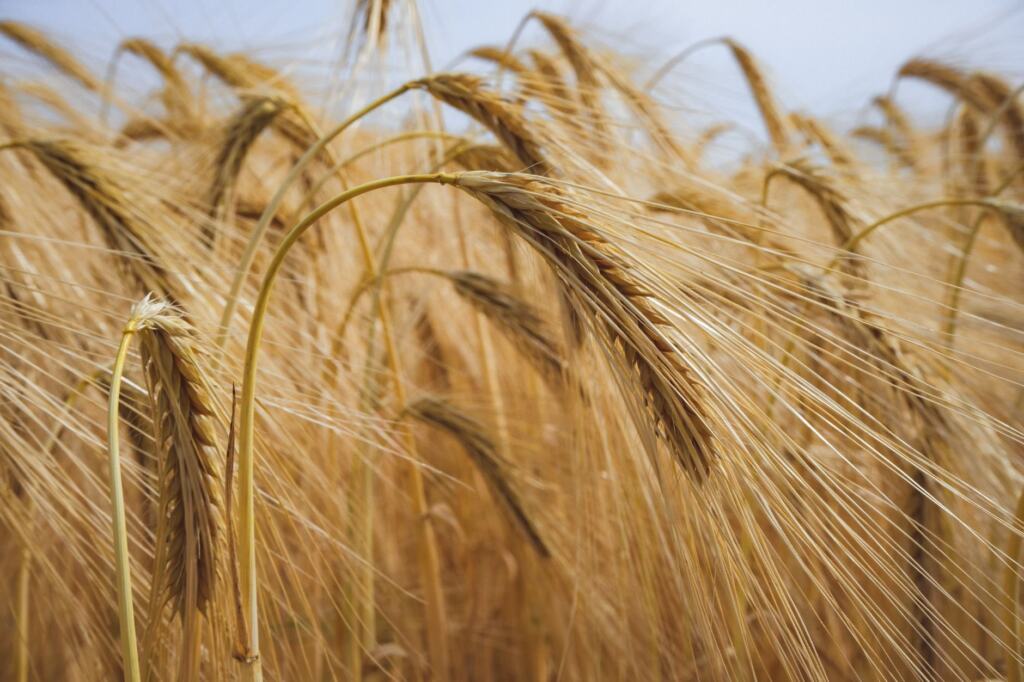
Many people do not realise this. The FDA reports that most people in the U.S. did not think raw flour was risky to eat in a 2019 survey, and an infectious disease expert quoted by WTNH said people may not be aware that flour is not treated to destroy bacteria. The gap between how flour looks and how it is produced is the heart of the problem.
E. coli in untreated flour
Delish reports that flour from untreated wheat may keep some pathogens, E. coli among them. That is consistent with the outbreaks above, which were traced to raw flour and not to any other ingredient in the dough.
Why raw eggs add salmonella
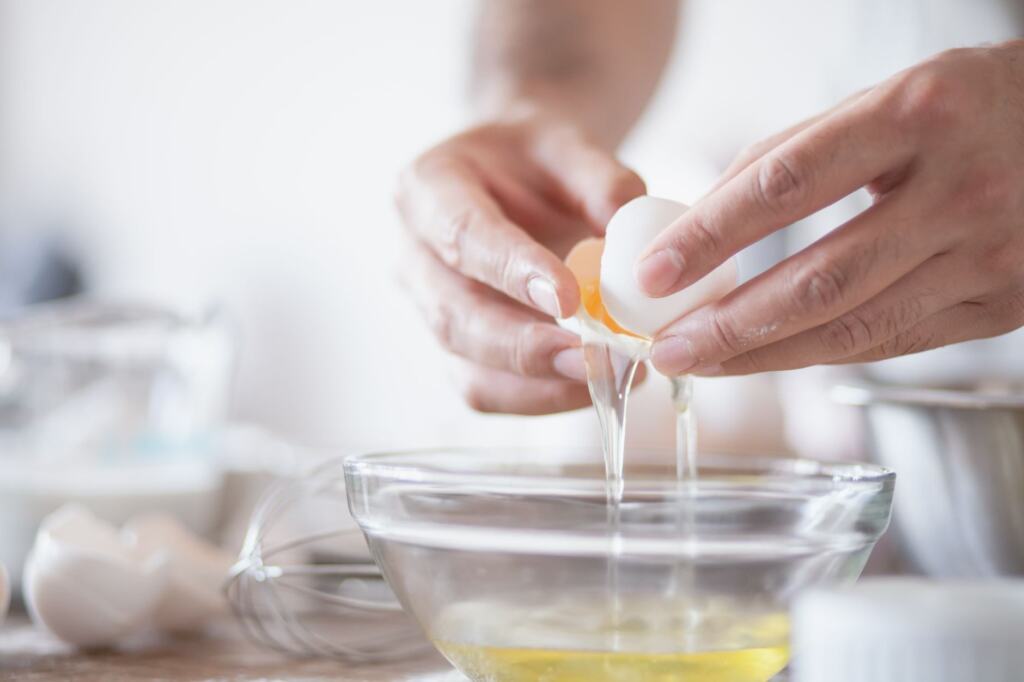
Raw eggs are the other ingredient behind the warning. The CDC message relayed by WTNH says raw eggs used to make raw dough or batter can contain a germ called salmonella, and Delish similarly notes that uncooked, unpasteurized eggs can contain pathogenic bacteria like salmonella.
The odds for any single egg are low. Delish puts salmonella at roughly 1 in 20,000 eggs. A low rate per egg is no guarantee for a given batch, though, and the illness it can cause is the reason the advice does not turn on probability. Both flour and eggs are worth treating as raw foods in dough.
Cooked eggs and flour are not the problem
The warning is about the raw state, not about the ingredients themselves. WTNH’s report of the CDC advice says that, like untreated flour, eggs are safe to eat when cooked and handled properly.
What baking changes
Baking is the step that removes the hazard. The FDA states that cooking and baking is what kills any bacteria in flour, as well as in raw eggs, and the CDC message relayed by WISN says the bacteria are killed when food made with flour is cooked. That is why a baked cookie and a spoonful of its dough belong in different safety categories even when they came from the same bowl.
The practical rule is about timing. Keep tasting and snacking for after the dough has been cooked, and treat anything unbaked as raw food until then.
Frequently asked questions
Does a low salmonella rate per egg make raw dough safe?
No. Delish puts salmonella at roughly 1 in 20,000 eggs, but the CDC and FDA advice is still not to eat raw dough. Flour is a separate source of risk, and the illness can be serious.
Does the advice change if the flour was not recalled?
No. The CDC, as quoted by WISN, says raw dough or batter should not be eaten whether it was made from recalled flour or any other flour.
Can children be exposed without eating the dough?
Yes. The FDA notes that children who handle raw dough may put their hands in their mouth afterwards, so contact can be enough to cause exposure.
Are untreated flour and eggs unsafe in all foods?
No. According to WTNH’s summary of CDC guidance, both eggs and untreated flour can be eaten once they have been cooked and handled with care. The concern is raw dough and batter.