| Symptom | First action | Planning use |
|---|---|---|
| Dough is dry or crumbly | Add a few splashes of milk (or cream) and mix again | Keep the milk within reach and add it gradually rather than pouring it all in at the start. |
| Dough feels greasy | Check the butter. It should have been softened to room temperature, not melted | Pull the butter out ahead of time so you never need to soften it in a hurry. |
| Dough has a faint grain | Leave it. A subtle grain from unmelted sugar is normal in cookie dough | Stop mixing once the dough is cohesive instead of chasing a perfectly smooth texture. |
| Not sure the flour is safe | Heat-treat it in a 350F (175C) oven for 5-7 minutes, then check that it exceeds 165F/74C | Do this before you measure anything else. Leaving out the egg does not deal with the flour. |
| Baked scoops come out thin and crisp | Expect crispier and chewier cookies than a dough made with egg | Treat baking as a bonus use of the dough, not its main purpose. |
These fixes come from one tested edible dough recipe and an eggless edible dough recipe.
An eggless cookie dough recipe swaps the egg for a splash of milk, but raw flour stays a risk, so heat-treat it first. Cream softened butter and brown sugar, add the flour, then add milk gradually.
This guide is part of our wider coverage of edible cookie dough. If you want a full ingredient list to build on, start from the edible cookie dough recipe and apply the egg swap described here. If you would rather skip flour altogether, there is also guidance on edible cookie dough without flour.
Ingredients and what each one does
Eggless cookie dough is a short list: butter, brown sugar, heat-treated flour, milk and your mix-ins. The egg is the only thing taken out, and a little milk takes over the job of keeping the dough workable. Each ingredient matters more when there is no egg to bind things together.
- Butter. Use softened, unsalted butter. One tested recipe calls for 1 cup (226 g) of unsalted butter softened to room temperature. Butter that has been melted gives a greasy dough, according to an eggless version of the recipe.
- Brown sugar. It is creamed with the butter and gives the dough its caramel-like flavour. The FAQ below covers which type to choose.
- Heat-treated flour. This is the flour step that makes the dough suitable for eating raw. Heat treating is covered in the method and safety sections below.
- Milk. This is the egg substitute. It brings back moisture and lets you adjust the dough bit by bit, which is the reason it works better than a fixed measure.
- Mix-ins. Chocolate chips go in last, once the dough is the texture you want.
Step-by-step: making the dough
The method follows ordinary cookie dough, with the flour treated first and the egg replaced by milk. You will need a mixer, because the butter and sugar have to be creamed together.
- Heat-treat the flour. Bake it in the center of a 350F (175C) oven for 5-7 minutes, then check its temperature. According to the tested recipe, it must exceed 165F/74C at the center.
- Soften the butter. Let 1 cup (226 g) of unsalted butter come to room temperature. Do not melt it.
- Cream the butter and brown sugar. Beat them together with a mixer. The sugar will not fully dissolve, and a little graininess is part of how cookie dough should feel.
- Add the flour. Mix it in until the dough starts to come together.
- Add the milk. Start at the low end of the 1-2 Tablespoons of milk the recipe uses “as needed”. Mix, then add more only if the dough still looks dry.
- Fold in the mix-ins. Stir in chocolate chips last.
The checkpoint is the dough itself. It should press together without crumbling and without leaving a film of fat on the bowl. If it crumbles, add milk by the splash. If it looks oily, the butter was too warm to begin with, and the quickest remedy is to start a fresh batch with properly softened butter.
Choosing the egg replacement
For raw dough, milk is the simplest replacement because you can control it by the splash. The tested recipe says a splash of milk replaces the eggs without sacrificing texture. Its 1-2 Tablespoons is an adjustment range and not a per-egg equivalent, so judge by the feel of the dough and not by a fixed conversion.
- Dairy milk. Use this when you want the dough to behave like classic cookie dough. Whole or skim both appear in an eggless version, which uses 2 Tablespoons of milk with 1 teaspoon of honey.
- Plant milk. That same version lists almond or soy milk as options, so the swap works for dairy-free preferences. Check the other ingredients too, because butter is still dairy.
- Cream. A few splashes of milk or cream will rescue a dough that turns out dry or crumbly.
- Applesauce. This is an alternative if you do not want to use milk. An applesauce-based recipe notes that its dough sticks together easily. Because that is one recipe’s observation and not a direct comparison, start with milk if you want the most predictable result.
What the swap changes is texture control. Without egg, the dough relies on butter and a measured amount of liquid, so the cure for an off texture is almost always a small change in milk, never more flour or more sugar.
Raw flour risk and eating the dough raw
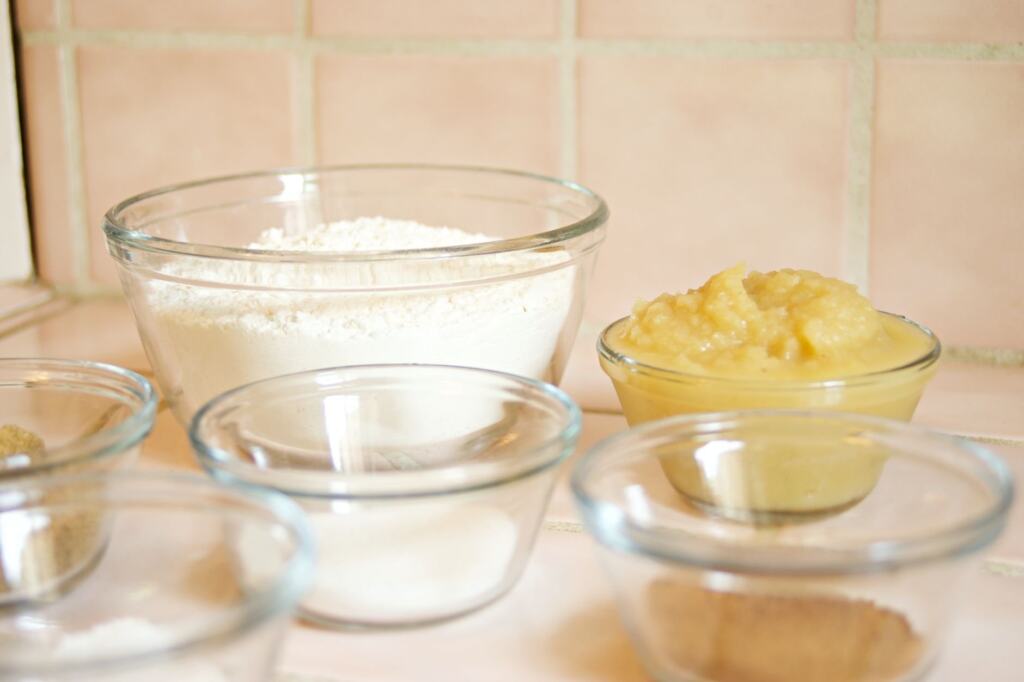
Yes, you can eat eggless cookie dough raw, but only when the flour has been heat-treated. Removing the egg removes one risk, not the other. One edible recipe pairs no eggs with toasted flour for this reason, and the tested recipe likewise specifies heat-treated flour and no eggs.
If the flour has not been heat treated, the dough is not safe to treat as ready to eat. The remedy is quick, because heat treating takes just a few minutes and significantly reduces risk, as the recipe puts it. The temperature check described in the method is what separates properly treated flour from flour that has merely spent time in a warm oven. Reduced risk is not the same as none, so keep the dough chilled between servings.
Baking eggless dough into cookies
Eggless edible dough can be baked, but it was not built for it, and recipes disagree. One recipe says not to bake it. Its explanation is that, with no egg and no leavening such as baking soda or baking powder, the cookies would spread and turn out flat.
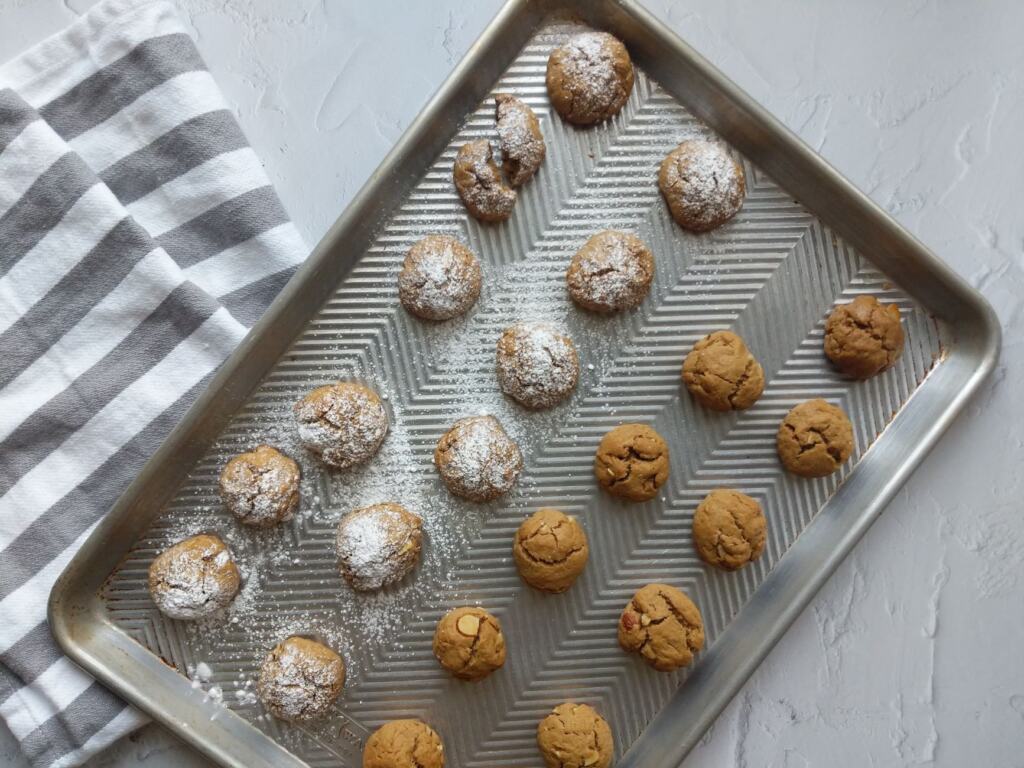
A more permissive view comes from another eggless recipe, which bakes small 2-tablespoon scoops at 375 degrees Fahrenheit for 7-10 minutes. It warns that they will be crispier and chewier instead of thick and soft because of the missing eggs.
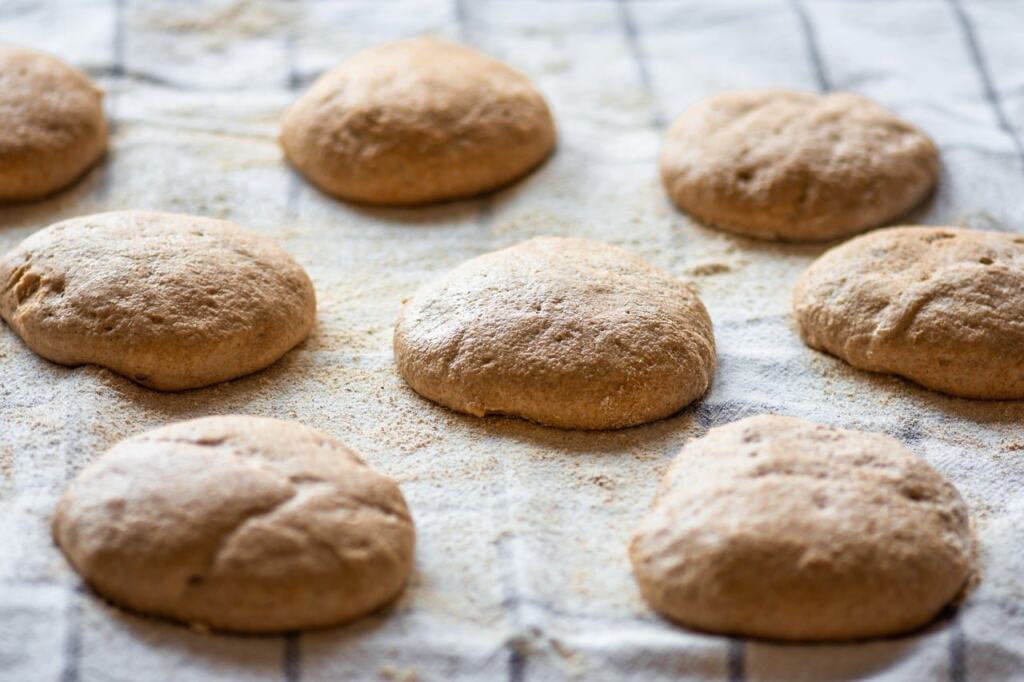
My recommendation is to bake only small scoops and only when you are happy with a thin, crisp-chewy cookie. If you want a thick, soft cookie, use a recipe designed for baking, with egg and leavening, instead of repurposing edible dough.

Storing the dough
Eggless dough keeps best in an airtight container in the refrigerator, and it also freezes. Storage times differ between recipes, so pick the one that suits how cautious you want to be.
- Refrigerator, shorter window. One recipe says leftover dough keeps in the fridge for up to 5 days.
- Refrigerator, longer window. Another recipe allows up to two weeks in an airtight container. Choose the shorter window if you will be serving the dough to guests.
- Freezer. The same recipe says up to three months in the freezer, which suits a batch you will not finish within the week.
Frequently asked questions
| Question | Answer |
|---|---|
| Do I need a mixer for eggless cookie dough? | Yes. One recipe says you definitely need a mixer because the butter and sugar have to be creamed together. |
| Does raw eggless dough need baking soda? | No. The tested recipe leaves it out because it made no difference to the flavor. It only matters if you bake the dough. |
| Which brown sugar should I use? | Light brown sugar, as one recipe recommends for flavor. |