This edible cookie dough recipe uses heat-treated flour and no eggs, so it is safe to eat with a spoon. Heat the flour to at least 160°F first, cool it fully, then mix with butter, sugars, milk, vanilla, salt and chocolate chips.
It is the base recipe behind our wider edible cookie dough coverage. It gives a full batch, a route to a smaller portion and the egg-free structure that the variations build on.
What you need before you start
This dough is simple, but the flour step decides whether it is safe to eat raw. Gather the tools for it first, then weigh the ingredients.
- A food thermometer: flour is judged by its internal temperature, not by the clock, so you need a way to read it.
- Two bowls: one for heating the flour and letting it cool, one for the butter mixture. Keeping them separate stops warm flour from touching the butter.
- A gluten-free swap if needed: a substitute flour works, but it must be heat-treated too, as The Fresh Cooky points out for any flour in the dough.
- A parchment-lined tray: useful if you want to portion the dough into scoops for chilling.
| Ingredient | Standard batch (serves about 10) | Planning use |
|---|---|---|
| Unsalted butter | 170 g | Creamed with the sugars to form the base of the dough. |
| Granulated sugar | 100 g | Beaten in with the butter and brown sugar. |
| Brown sugar | 150 g | Creamed with the butter and granulated sugar. |
| Milk | 30–45 g | Adjusts moisture in place of eggs; start low and add more only if dry. |
| Vanilla extract | 10 ml | Added with the milk. |
| All-purpose flour, heat-treated | 250 g | Heat first, then cool completely before mixing. |
| Salt | 3 g | Mixed in with the flour. |
| Chocolate chips | 175 g | Folded in at the end. |
Quantities follow the ingredient list in the Tastes Better From Scratch recipe.
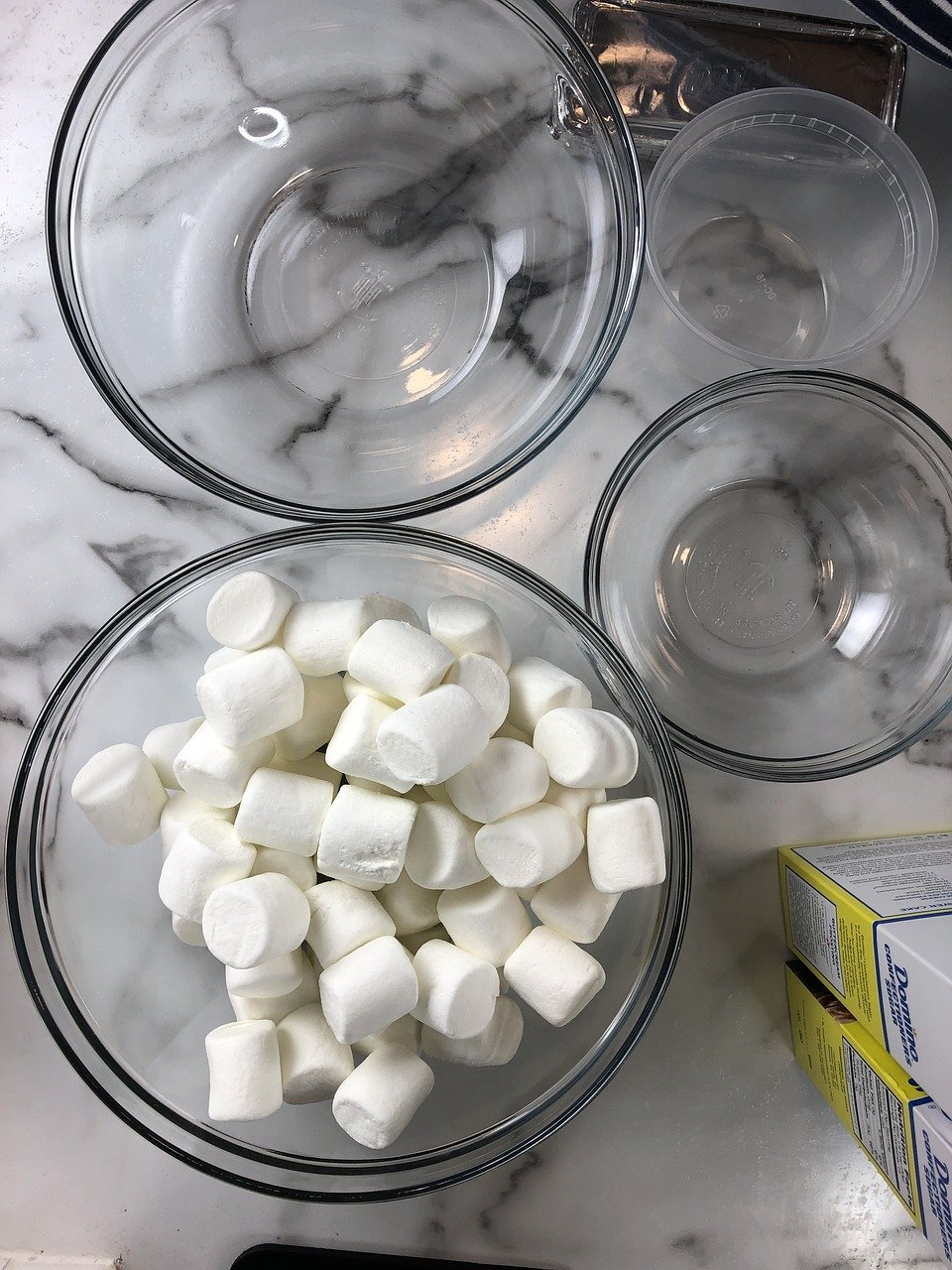
Making edible cookie dough, step by step
Work in this order: treat the flour, cool it, build the butter base, then bring everything together. The sequence matters because warm flour spoils the texture.
Step 1: Heat-treat the flour
Raw flour can carry the same kind of harmful bacteria as raw eggs, so this step is what makes the dough safe. The target is a thermometer reading of at least 160°F, which The First Year gives as the temperature needed to kill harmful bacteria. Several tested methods reach it:

- Oven at 350°F: The Fresh Cooky bakes the flour for 5 to 7 minutes until it reaches an internal temperature of 165°F.
- Gentler oven at 300°F: Tastes Better From Scratch cooks it for 8 to 10 minutes until it reaches 160°F, a useful option if you want less browning risk.
- Two-stage oven method: Hershey’s bakes at 350°F for 3 minutes, stirs, then bakes another 3 to 4 minutes until the flour reaches 160°F.
- Microwave: The Fresh Cooky heats in 30-second intervals, stirring between each, to 165°F, which takes about 1 to 2 minutes in total. Tastes Better From Scratch finishes with 15-second intervals until the flour reads 160°F.
Let the thermometer decide, because oven and microwave timings vary. The sources aim for either 160°F or 165°F, so 160°F is the minimum and the higher reading gives extra margin. For more on timing and technique, read how to heat treat flour for edible cookie dough.
Step 2: Cool and sift the flour
Spread the flour out and let it cool completely before it goes near the butter. The First Year warns that warm flour can melt the butter and give a greasy or overly soft texture. Hershey’s allows the flour to cool for 30 minutes. Sift out any clumps that formed in the heat, as Baked by an Introvert advises after toasting the flour.
Step 3: Cream the butter and sugars
Beat the unsalted butter with the granulated sugar and brown sugar in the second bowl until the mixture is combined and smooth. This base carries most of the flavour, so finish it before anything dry goes in.
Step 4: Add the vanilla and milk
Mix in the vanilla extract and 2 tablespoons of milk, as in the Tastes Better From Scratch method. Treat that as a starting point. If the dough looks dry once the flour is in, add milk in small splashes rather than pouring in the full range at once.
Step 5: Mix in the flour, salt and chocolate chips
Add the cooled flour and the salt and mix until no dry streaks remain. Fold in the chocolate chips last so they stay whole. Taste a small spoonful and adjust the salt only if the sweetness dominates.
Step 6: Portion and chill
Scoop the dough into balls on a parchment-lined tray, or leave it in the bowl to eat as a spread. Scooped portions are easier to serve and to move into a container once they are firm.
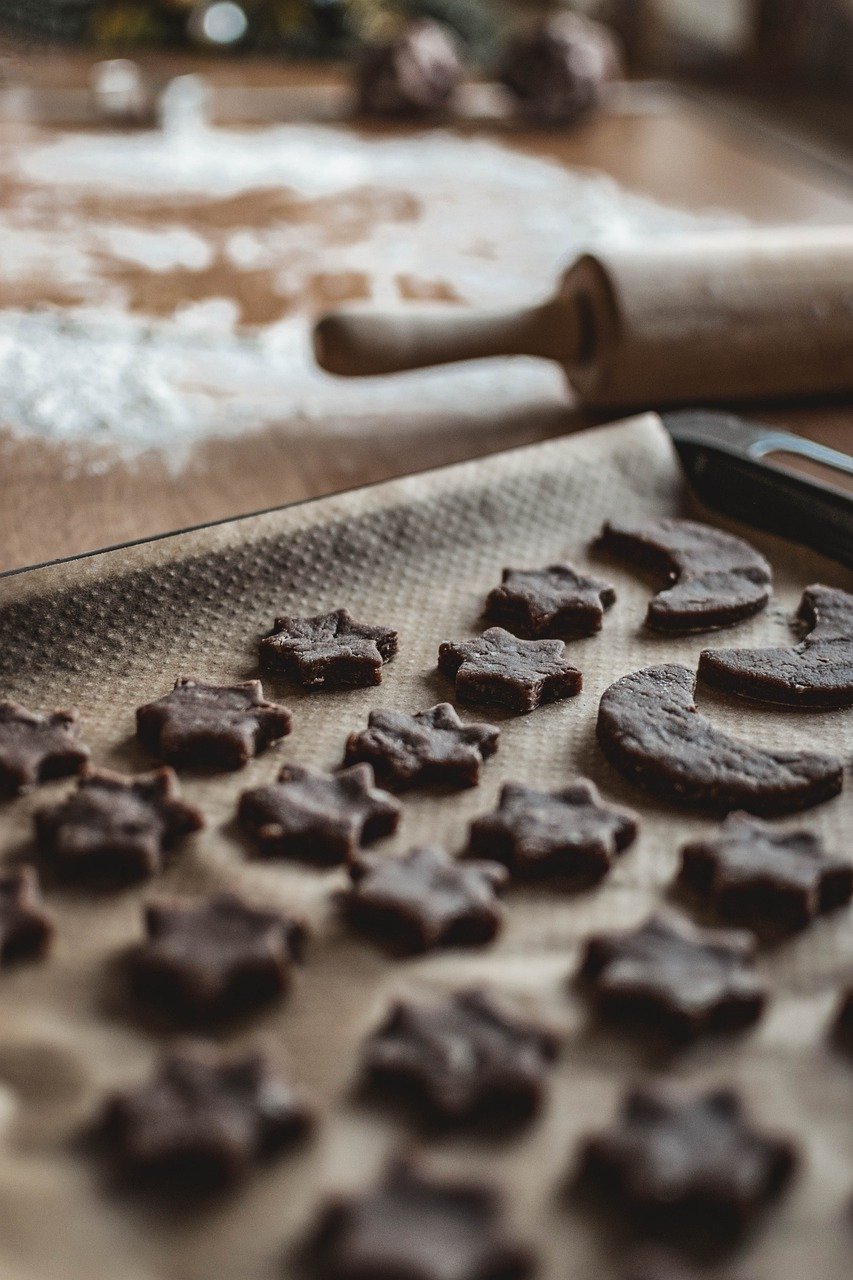
Making cookie dough for one
The smallest tested set uses 114 g of melted butter, 67 g of granulated sugar, 73 g of brown sugar, 130 g of flour, 135 g of chocolate chips and 1/4 teaspoon of salt, and it serves 6, according to Baked by an Introvert. Because the butter is melted, you can skip creaming and stir the sugars straight into it.
For a solo portion, make that smaller batch, heat-treat the flour as in Step 1, eat one serving and refrigerate the rest. The same source says the dough keeps for up to 7 days in an airtight container in the refrigerator, so a small batch does not have to be finished at once.
Why this dough has no eggs
Raw eggs can potentially contain Salmonella, which is why The First Year leaves them out. Flour is the other raw ingredient to deal with, so the recipe removes the eggs and heat-treats the flour, which Tastes Better From Scratch describes as making the dough safe to eat.
A safe-to-eat cookie dough recipe therefore comes down to three things: heat-treated flour, no eggs and enough milk to hold the dough together. Milk handles the moisture adjustment, which is why you start with 2 tablespoons and add splashes only as needed. For a dedicated walkthrough of the egg-free structure, see our eggless cookie dough recipe.
Storing and keeping the dough
Homemade edible cookie dough keeps in the refrigerator for up to 5 days in a sealed airtight container, according to The Fresh Cooky. Tastes Better From Scratch and Baked by an Introvert both allow up to one week. If you want the safer end of that range, plan on the 5-day limit, particularly because the dough contains butter and milk.
Final checkpoints
Run through these before you serve the dough. Each one catches a common failure.
| Checkpoint | What to look for | If it is off |
|---|---|---|
| Flour temperature | Thermometer reads at least 160°F | Return the flour to heat, stir and re-check before using it. |
| Flour before mixing | Fully cooled | Wait. Warm flour can melt the butter and make the dough greasy or overly soft. |
| Dough texture | Holds together after the first 2 tablespoons of milk | Add milk in small splashes until it comes together. |
| Ingredients | No raw eggs in the bowl | Leave eggs out; they are the reason raw dough is risky. |
These checks draw on The First Year and Tastes Better From Scratch.
Nutrition per serving
Your exact numbers depend on the brands and mix-ins you use. As a reference point, the label on Hershey’s chocolate chip cookie dough recipe lists a 2 tablespoon (34 g) serving at 160 calories, 9 g total fat, 20 g carbohydrate, 2 g protein and 85 mg sodium. Treat these as a ballpark for a similar chocolate chip dough rather than a measurement of this recipe.
Frequently asked questions
Can I use gluten-free flour?
Yes. Both The Fresh Cooky and Tastes Better From Scratch allow a gluten-free substitute, and the substitute flour must be heat-treated like the rest.
Can I change the mix-ins?
Yes. The base is flavour-adjustable, and The First Year builds variations on it with M&Ms, peanut butter, Oreo pieces, sprinkles and a monster cookie version with oats.
Can I freeze edible cookie dough?
Yes. It freezes for up to 3 months, according to Baked by an Introvert. The First Year thaws it in the refrigerator overnight, then lets it sit at room temperature before serving.